Reliable Stump Grinding Get Started Now
Explore Key Arboriculture Techniques for Best Tree Maintenance
Having knowledge of arboriculture is crucial for ensuring ecological wellness. Key practices like pruning and mulching play significant roles in enhancing tree health. Furthermore, the right way to water are critical for developing strong roots. However, most people miss the symptoms of sick trees and the value of professional arborists. Exploring these aspects can foster a greater respect for trees and their care. What measures can be adopted to make sure their trees flourish?
The Significance of Tree Well-being
Recognizing the value of healthy trees is essential, as trees are instrumental in keeping nature balanced and enhancing urban environments. Healthy trees contribute to air quality, provide shade, and support wildlife habitats. Furthermore, they help lessen environmental shifts by sequestering carbon dioxide, proving their necessity for environmental sustainability.
In city environments, properly cared-for trees enhance the appearance, boost real estate worth, and foster neighborhood health. Trees help diminish city heating in cities, leading to lower energy costs.
Ignoring tree maintenance, conversely, can lead to illness, pest infestations, and unstable limbs, posing risks to infrastructure and the trees themselves. Consequently, identifying signs of pertinent details a healthy tree, for example, leaf hue, how the tree is growing, and the tree's outer layer, is vital for proper care. Ultimately, caring for vibrant trees helps more than personal gardens but the entire environment as well, emphasizing the need for forward-thinking attention and care methods.
Crucial Techniques for Cutting Branches
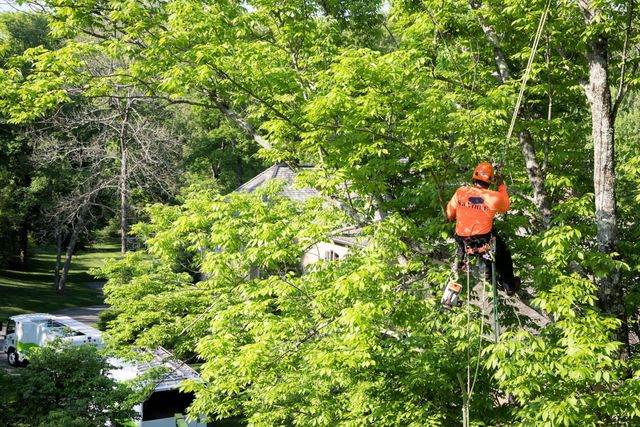
Pruning is an important practice in tree care that promotes strong growth and vitality, as it gets rid of sick or dead limbs and improves air circulation within the canopy. Applying correct practices ensures the trees can thrive in their environment.
A key method is "thinning," which involves selectively removing branches to improve sunlight exposure and lessen the load on fragile branches. 'Tip pruning' is a different technique, where the ends of branches are snipped to promote bushier growth, mainly in juvenile trees. In addition, the 'crown reduction' technique reduces the height and spread of a tree while maintaining its natural shape.
Proper timing is crucial; cutting during the inactive period reduces strain and ensures faster recovery. Pruning implements must be sharp and sterile to minimize harm and the spread of pathogens. Understanding these important pruning techniques is crucial for any tree care professional focused on preserving healthy and visually appealing trees.
Identifying Common Tree Diseases
How do tree owners identify the indicators of typical illnesses that put their trees at risk? Familiarity with key indicators is essential for early detection and action. Typical signs involve leaves that are yellowing or drooping, which may suggest fungal infections or insufficient nourishment. Unusual growths, for example, galls and cankers, may indicate insects are present or diseases that harm the tree's vitality. In addition, peeling bark or oozing sap can be a sign of disease that need prompt care.
Owners must also monitor modifications to the tree's appearance, such as branches dying or leaves falling, which could signify a more severe underlying issue. Looking out for insect attacks, like frass or bore holes, is equally important. By staying watchful and taking action, owners are able to spot these frequent ailments and seek appropriate remedies, making sure their trees stay strong and lively all year long.
The Role of Mulching in Tree Care
Mulching is a key technique in tree care, providing many advantages that promote healthy growth and resilience. It means spreading a layer of organic or inorganic material at the tree's base, aiding in moisture retention, suppress weeds, and regulate soil temperature. The mulch covering does more than minimize competition from unwanted vegetation but also improves the look of the landscape.
Moreover, natural mulching materials, like bark or wood chips, decompose over time, providing essential nourishment and improving its structure. This ongoing process supports root development and fosters a healthier environment for the plant. Moreover, mulching can prevent the erosion of soil, which helps maintain the stability of the tree’s foundation. Appropriately spread mulch must be distributed in a donut shape, keeping it away with the trunk to stop decay. Overall, integrating mulch application into tree care routines greatly supports to the long-term health of trees.
Optimal Watering Methods for Trees
Effective tree care requires more than just mulching but also correct hydration methods to ensure optimal growth and health. Tree specimens, especially those recently planted, need consistent moisture to develop robust root structures. It is vital to water deeply, as it helps roots push deeper where moisture is more consistent. Ideally, trees ought to get approximately an inch of water per week, be it from precipitation or additional watering.
Watering should be done early in the morning to cut down on evaporation and the risk of fungus. One must be careful not to overwatering, which can lead to root rot and related complications. Check the ground for moisture before watering; if the top two inches are dry, it is time to provide water. Furthermore, utilizing drip irrigation or drip irrigation delivers a gradual, continuous stream of water, making sure trees get enough water without the danger of water runoff. Proper watering practices significantly aid to the total vitality of trees.
Engaging Expert Arborists: The Timing and Rationale
In evaluating the health and aesthetics of a property, retaining specialized arborists may prove essential for homeowners who need intricate tree upkeep. Trained arborists hold the expertise to evaluate the condition of trees, spot illnesses, and execute beneficial procedures. Arborists are also aware of local regulations regarding tree removal and maintenance, guaranteeing compliance and sidestepping fines
(Stillwater Tree Service)Property owners ought to hire experts when dealing with large trees, specifically trees near homes or power lines, as incorrect care can lead to dangers. Additionally, trees requiring pruning for aesthetic or health reasons profit from the expertise of trained specialists who can execute precise cuts to promote growth
Seasonal tasks, such as pre-storm readiness and debris cleanup, also require expert help to keep the property safe and appearance. Finally, engaging professional tree services ensures optimal tree maintenance, contributing positively to the overall landscape and home valuation
Commonly Asked Questions
How Do I Know if My Tree Is Receiving Too Much Water?
Signs of overwatering in trees include chlorotic leaves, wilting despite moist soil, rotting root systems, and excessive leaf drop. Furthermore, the development of mold or fungus at the tree's base often suggests slow soil percolation and waterlogged conditions.
What's the Optimal Season for Tree Pruning?
The optimal period to prune trees is typically late winter to early spring before new growth begins - Stillwater Tree Service. Pruning at this time encourages healthy growth and lessens the impact on the plant, facilitating quick recovery and development
Is It Possible for Trees to Survive Major Storm Damage?
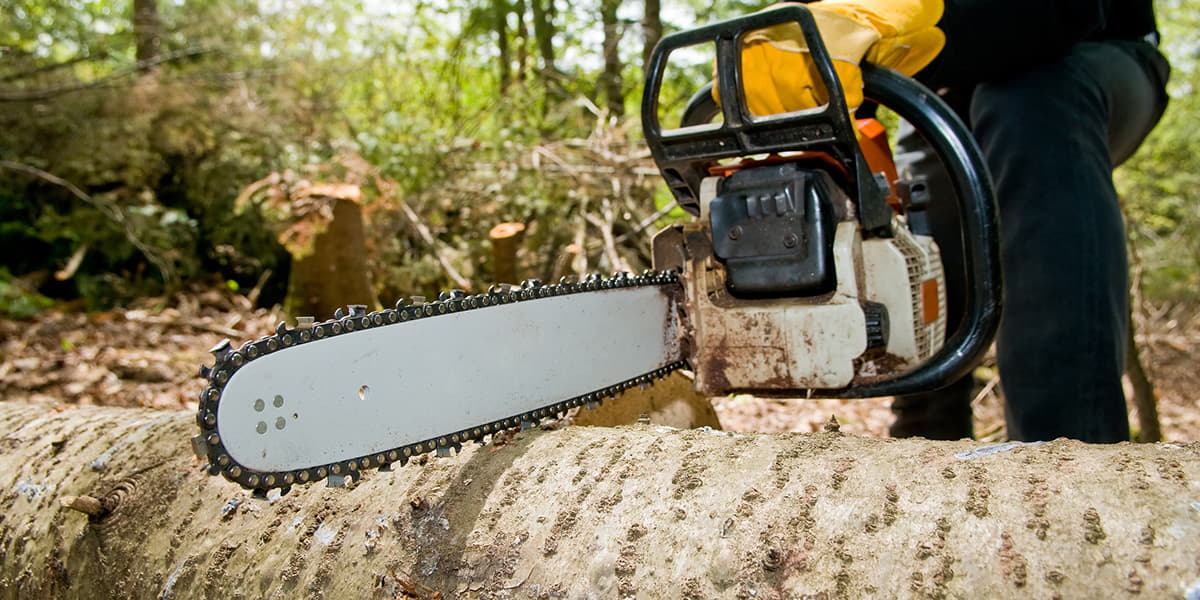
It is possible for trees to bounce back after severe weather. Given the right attention, including the removal of injured parts and providing adequate water and nutrients, a lot of trees can become healthy again and flourish once more after experiencing significant stress.
What Is the Process for Selecting the Right Mulch for My Trees?
To choose the right mulch for trees, look for natural materials like wood chips or bark, apply it to a depth of 2-4 inches, and keep mulch away from the tree collar to safeguard against rot.
Are There Specific Trees That Require More Care Than Others?
Some species, for instance, new plantings and orchard trees, require greater attention because they react strongly to environmental shifts and unique feeding requirements. Consistent observation and customized care routines are crucial for their well-being and growth.